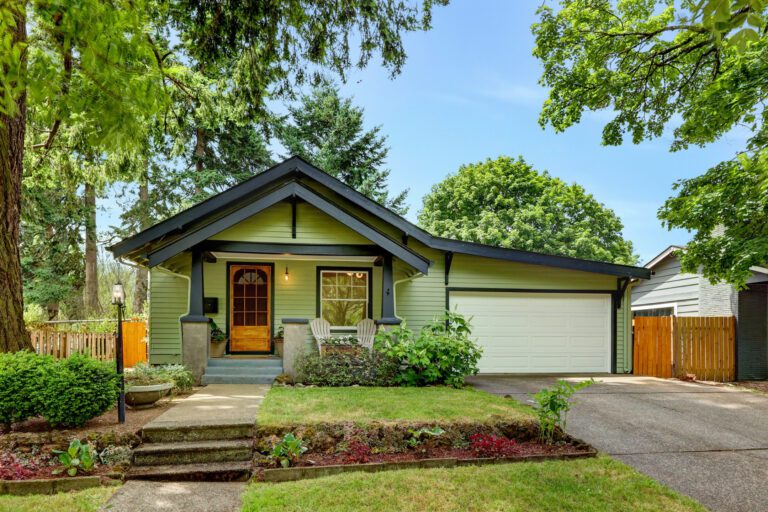
Homebuyers Need to Earn Over $50,000 More Than Renters to Afford Monthly Payments—And the Gap Is Widening
Americans need an annual income of $117,000 to afford the typical home for sale. That’s 82% more than they need for the typical rental, up


Americans need an annual income of $117,000 to afford the typical home for sale. That’s 82% more than they need for the typical rental, up
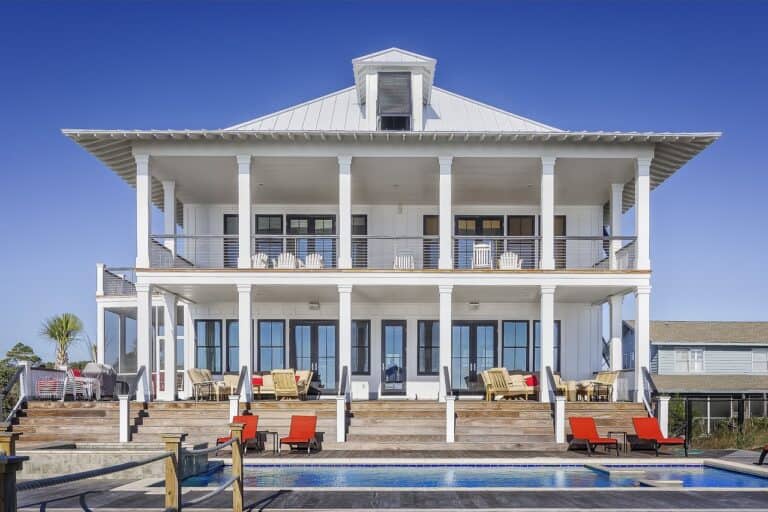
Affluent renters have become more common in 35 of the 50 most populous U.S. metros since 2019, with Raleigh and Orlando seeing the biggest upticks.
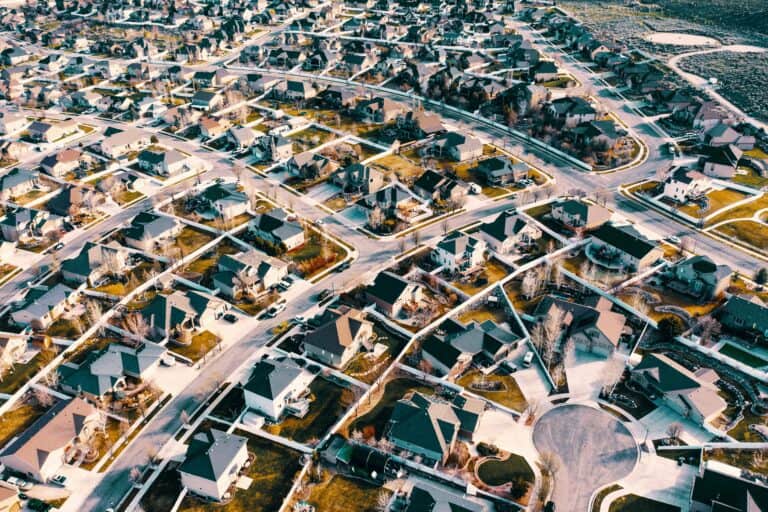
A household earning the median U.S. income would have had to spend 41.8% of their earnings on monthly housing costs to buy the typical home

37% of home purchases made by people 65+ occur in counties with high risk of extreme heat, compared with 32% of purchases made by people
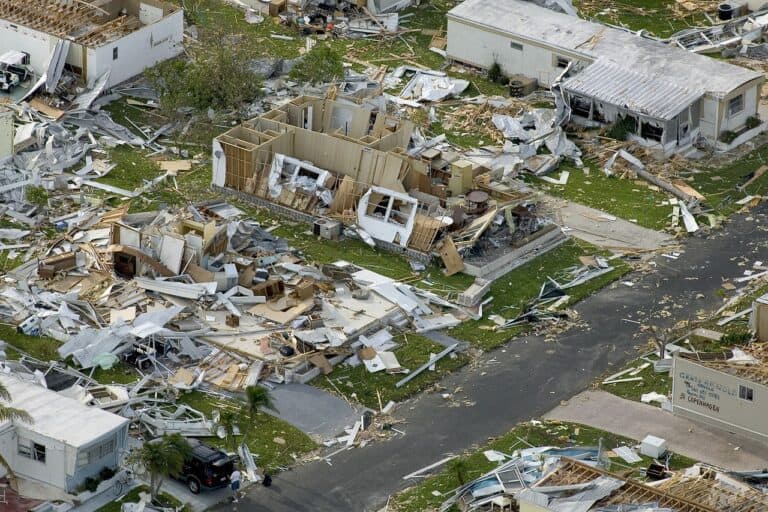
This year marked the first time since 2010 that low-risk homes across three major climate categories—heat, fire and flood—gained value faster than high-risk homes. That

Property tax bills have increased since 2019 in nearly every major U.S. metro, with Florida home to three of the five metros with the biggest
Americans need an annual income of $117,000 to afford the typical home for sale. That’s 82% more than they need for the typical rental, up
Affluent renters have become more common in 35 of the 50 most populous U.S. metros since 2019, with Raleigh and Orlando seeing the biggest upticks.
A household earning the median U.S. income would have had to spend 41.8% of their earnings on monthly housing costs to buy the typical home
37% of home purchases made by people 65+ occur in counties with high risk of extreme heat, compared with 32% of purchases made by people
This year marked the first time since 2010 that low-risk homes across three major climate categories—heat, fire and flood—gained value faster than high-risk homes. That
Property tax bills have increased since 2019 in nearly every major U.S. metro, with Florida home to three of the five metros with the biggest